Missing teeth can affect much more than your appearance. They can impact the way you eat, speak, and feel about yourself. Fortunately, modern dentistry offers a long-lasting and natural-looking solution: dental implants. If you’re exploring options for replacing missing teeth, understanding how dental implants work can help you make an informed decision.
In this guide, we’ll explain what dental implants are, how they restore missing teeth, their benefits, the treatment process, and why they have become the gold standard in tooth replacement.
What Are Dental Implants?
Dental implants are artificial tooth roots made from biocompatible materials, typically titanium. They are surgically placed into the jawbone to support replacement teeth such as crowns, bridges, or dentures.
Unlike traditional tooth replacement options that rest on the gums or rely on neighboring teeth for support, implants fuse directly with the jawbone through a process called osseointegration. This creates a stable foundation that closely mimics the function of natural tooth roots.
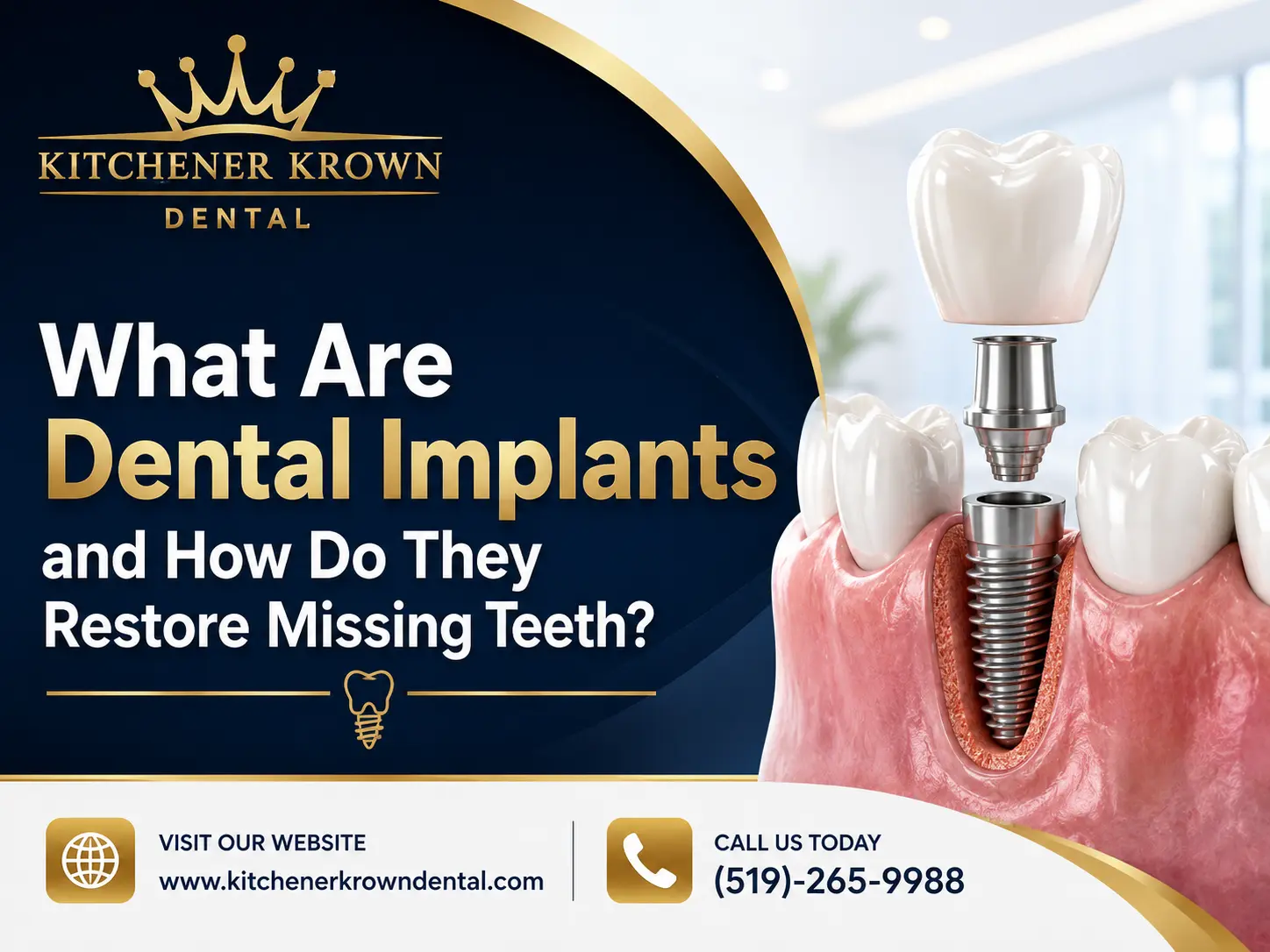
A dental implant generally consists of three parts:
1. Implant Post
The titanium post is inserted into the jawbone and acts as the replacement root.
2. Abutment
This connector piece attaches the implant post to the final restoration.
3. Dental Crown
The visible portion of the implant is custom-designed to match the appearance of your natural teeth.
Why Replacing Missing Teeth Matters
Many people believe that losing a tooth is only a cosmetic issue. However, untreated tooth loss can lead to several oral health concerns.
These include:
- Difficulty chewing certain foods
- Changes in speech patterns
- Bone loss in the jaw
- Shifting of surrounding teeth
- Bite misalignment
- Premature facial aging
- Reduced confidence and self-esteem
Replacing missing teeth promptly helps maintain both oral function and overall dental health.
How Do Dental Implants Restore Missing Teeth?
Dental implants do much more than fill gaps in your smile. They restore the complete structure of the tooth from root to crown.
Restoring Function
Because implants integrate with the jawbone, they provide exceptional stability. Patients can enjoy eating their favorite foods without worrying about slipping or discomfort.
Preserving Jawbone Health
When a tooth is lost, the jawbone no longer receives stimulation from chewing forces. Over time, this can cause bone deterioration.
Dental implants stimulate the bone similarly to natural tooth roots, helping preserve bone density and facial structure.
Enhancing Appearance
Implant-supported restorations are customized to blend seamlessly with surrounding teeth. The result is a natural-looking smile that boosts confidence.
Improving Speech
Missing teeth and ill-fitting dentures can affect pronunciation. Stable implants support normal speech patterns and eliminate embarrassing slips.
Supporting Long-Term Oral Health
Unlike traditional bridges, implants do not require modification of adjacent healthy teeth. This conservative approach helps maintain the integrity of your natural dentition.
Types of Dental Implants
The type of implant recommended depends on your specific needs.
Single Tooth Implant
Ideal for replacing one missing tooth. The implant supports an individual crown without affecting neighboring teeth.
Implant-Supported Bridge
Used when multiple adjacent teeth are missing. Fewer implants can support a bridge, restoring several teeth efficiently.
Implant-Supported Dentures
Suitable for patients missing most or all teeth. Implants anchor dentures securely, improving comfort and function.
Full-Arch Dental Implants
This advanced option replaces an entire upper or lower arch using strategically placed implants.
Who Is a Good Candidate for Dental Implants?
Many adults can benefit from implants, but certain factors influence eligibility.
Good candidates typically have:
- One or more missing teeth
- Healthy gums
- Adequate jawbone density
- Good oral hygiene habits
- A commitment to regular dental visits
- Overall good health
Patients with bone loss may still qualify through procedures such as bone grafting.
A comprehensive evaluation helps determine the most appropriate treatment plan.
The Dental Implant Procedure: Step by Step
Understanding the treatment process can reduce anxiety and set realistic expectations.
Initial Consultation
Your dentist reviews your medical history, examines your oral health, and takes diagnostic images to assess bone structure.
Treatment Planning
A customized plan is developed based on the number of missing teeth, bone availability, and aesthetic goals.
Implant Placement
The implant post is surgically inserted into the jawbone under local anesthesia.
Healing and Osseointegration
Over the next few months, the implant fuses with the surrounding bone. This creates a strong and durable foundation.
Abutment Placement
Once healing is complete, the abutment is attached to the implant.
Final Restoration
A custom-made crown, bridge, or denture is secured to complete your smile restoration.
Benefits of Dental Implants
Dental implants offer numerous advantages compared to other tooth replacement options.
Natural Appearance
Implants are designed to resemble natural teeth in shape, size, and color.
Long-Term Durability
With proper care, implants can last for decades and often provide a lifelong solution.
Improved Comfort
Because they become part of your jawbone, implants eliminate many of the discomforts associated with removable appliances.
Better Chewing Efficiency
Patients can enjoy a varied diet without significant restrictions.
Bone Preservation
Implants help prevent jawbone shrinkage following tooth loss.
Enhanced Confidence
A secure and attractive smile positively impacts self-esteem and social interactions.
Are Dental Implants Safe?
Dental implants have been extensively researched and demonstrate high success rates.
Advancements in implant dentistry, digital imaging, and surgical techniques continue to improve outcomes.
Success largely depends on:
- Proper case selection
- Skilled placement
- Excellent oral hygiene
- Routine dental maintenance
- Avoiding tobacco use
Most patients experience predictable and successful results.
Caring for Dental Implants
Maintaining implants is similar to caring for natural teeth.
Follow these recommendations:
- Brush twice daily using a soft-bristled toothbrush.
- Floss around implant restorations regularly.
- Use antimicrobial mouthwash if advised.
- Attend routine dental checkups and professional cleanings.
- Avoid chewing extremely hard objects.
- Manage conditions such as teeth grinding if present.
Consistent maintenance contributes significantly to implant longevity.
Understanding the Cost of Dental Implants
The investment in dental implants varies depending on several factors, including:
- Number of implants required
- Additional procedures such as bone grafting
- Type of restoration
- Complexity of the case
- Materials used
Although implants may involve a higher initial cost than other options, their durability and long-term benefits often provide excellent value.
At Kitchener Krown Dental, patients receive personalized treatment recommendations tailored to their unique oral health needs.
Why More Patients Are Choosing Dental Implants
As awareness of implant dentistry grows, more individuals are choosing implants because they offer a solution that closely replicates natural teeth.
Patients appreciate the combination of aesthetics, functionality, comfort, and longevity. Unlike temporary fixes, implants address both the visible and underlying consequences of tooth loss.
For individuals researching dental imlant kitchener, understanding these advantages can help them feel more confident when considering treatment options.
Frequently Asked Questions
1.How long do dental implants last?
With proper care and regular dental visits, dental implants can last many years and often a lifetime.
2.Is getting a dental implant painful?
The procedure is typically performed under local anesthesia. Most patients report minimal discomfort, which can be managed with recommended medications.
3.How long does the dental implant process take?
Treatment timelines vary depending on healing and additional procedures. Many cases take several months from consultation to final restoration.
4.Can older adults receive dental implants?
Yes. Age alone does not disqualify someone from implant treatment. Overall oral and general health are more important factors.
5.Are dental implants better than dentures?
Dental implants provide greater stability, improved chewing ability, and bone preservation. However, the ideal solution depends on each patient’s needs.
6.What if I have bone loss?
Bone grafting procedures may help rebuild sufficient bone to support implants.
7.How do I know if I qualify for dental implants?
A professional dental examination and imaging assessment are necessary to determine candidacy.
Final Thoughts
Dental implants have transformed the way missing teeth are treated. By replacing both the root and visible portion of the tooth, they restore function, preserve jawbone health, and create natural-looking smiles that can last for years.
Whether you have lost a single tooth or require a full-mouth solution, implants offer a reliable and effective option. If you’re researching dental imlant kitchener, learning how dental implants restore missing teeth is the first step toward reclaiming your confidence, comfort, and quality of life.
A healthier, stronger smile may be closer than you think.