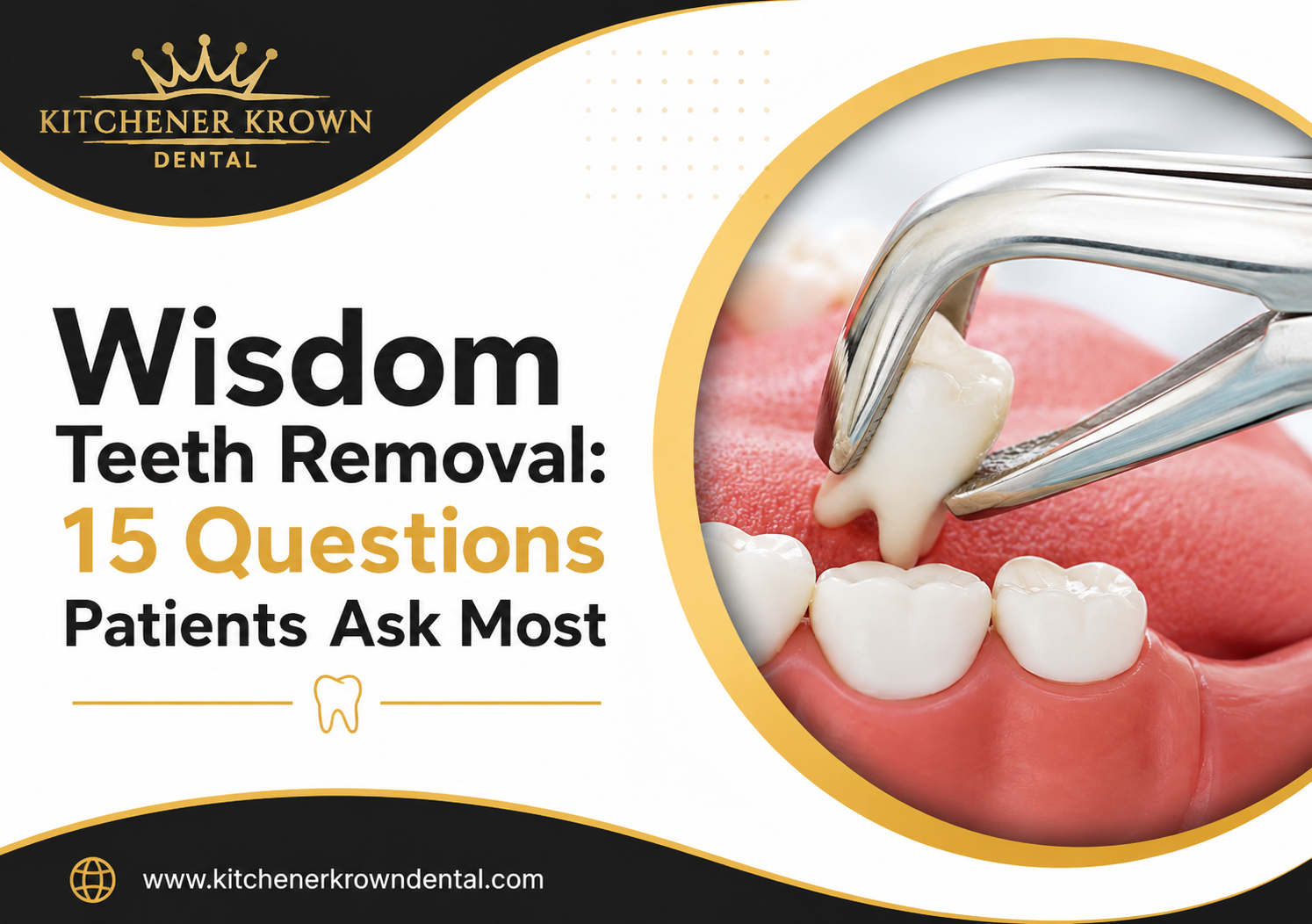
Wisdom Teeth Removal: 15 Questions Patients Ask Most
Wisdom Teeth are the last set of permanent molars that typically appear between the ages of 17 and 25. While some people never experience problems, many develop pain, swelling, infections, crowding, or impacted teeth that require removal. If you’ve been told you need Wisdom Teeth extraction, you’re probably searching for answers before making a decision.
This guide answers the 15 most common questions patients ask about Wisdom Teeth removal, helping you understand when extraction is necessary, what to expect during the procedure, how recovery works, and how to reduce complications.
Whether you’re preparing for surgery or simply researching your symptoms, this article provides expert-backed information in simple language. At LeadFreeNYC Specialists, patient education is an important part of making informed healthcare decisions.
Quick Answers About Wisdom Teeth
Question
Short Answer
What are Wisdom Teeth?
The third molars located at the back of your mouth.
When do they appear?
Usually between ages 17-25.
Do they always need removal?
No. Only if they cause problems or are likely to.
Is removal painful?
No during surgery due to anesthesia. Mild discomfort afterward is normal.
Recovery time
Usually 3-7 days for most activities.
Complete healing
Several weeks for gums and months for bone healing.
What Are Wisdom Teeth?
Wisdom Teeth are your third molars located at the very back of your upper and lower jaws. Most adults have four Wisdom Teeth, although some people naturally have fewer or none.
Millions of people experience impacted Wisdom Teeth because modern jaws often don’t have enough room for these extra molars to erupt properly.
1. Why Do Wisdom Teeth Need to Be Removed?
Not everyone needs Wisdom Teeth removed.
Dentists recommend extraction when Wisdom Teeth:
Become impacted
Grow sideways
Damage nearby teeth
Cause repeated infections
Create gum disease
Develop cysts
Lead to tooth decay
Cause chronic pain
Trap food and bacteria
Removing problematic Wisdom Teeth early often prevents more serious oral health complications later.
2. What Are Impacted Wisdom Teeth?
An impacted Wisdom Tooth cannot fully emerge because another tooth or jawbone blocks its path.
There are several types:
Soft Tissue Impaction
The tooth partially erupts but remains covered by gum tissue.
Partial Bony Impaction
Part of the tooth remains trapped inside the jawbone.
Complete Bony Impaction
The tooth stays completely buried beneath bone.
Impacted Wisdom Teeth often increase the risk of:
Infection
Swelling
Jaw stiffness
Gum disease
Neighboring tooth damage
3. What Symptoms Indicate Wisdom Teeth Problems?
Common symptoms include:
Pain at the back of the mouth
Swollen gums
Bleeding gums
Jaw pain
Difficulty chewing
Bad breath
Unpleasant taste
Headaches
Ear pain
Facial swelling
Difficulty opening the mouth
Some impacted Wisdom Teeth cause no symptoms initially but still create hidden damage visible on dental X-rays. The American Dental Association (ADA) recommends routine dental exams so that hidden issues like these can be caught early, before they progress into more serious problems.
4. At What Age Should Wisdom Teeth Be Removed?
Most oral surgeons recommend evaluation between 16 and 25 years old.
Earlier removal usually means:
Easier surgery
Faster healing
Lower complication rates
Less discomfort
Better long-term outcomes
However, adults over 30 can also safely undergo Wisdom Teeth removal when necessary. Routine visits with your family dentistry provider make it easier to track jaw development and catch Wisdom Teeth issues at the right time.
5. Is Wisdom Teeth Removal Painful?
During the procedure, patients typically feel no pain because anesthesia or sedation keeps the treatment comfortable.
Options include:
Local anesthesia
Nitrous oxide
IV sedation
General anesthesia
After surgery, mild to moderate discomfort is expected for a few days and is usually manageable with prescribed or over-the-counter pain medication.
6. How Long Does Wisdom Teeth Removal Take?
The procedure depends on tooth position.
Typical treatment times:
Single erupted tooth: 20-30 minutes
Multiple Wisdom Teeth: 45-90 minutes
More complex impactions may require additional time.
7. What Happens During Wisdom Teeth Surgery?
The procedure generally includes:
Examination and X-rays
Anesthesia
Small gum incision (if needed)
Bone removal when necessary
Tooth sectioning for easier extraction
Removal
Cleaning the area
Stitches if required
Gauze placement
Patients usually return home the same day.
8. How Long Is Recovery After Wisdom Teeth Removal?
Recovery varies by patient.
First 24 Hours
Bleeding gradually decreases
Rest is essential
Ice packs help reduce swelling
Days 2–3
Swelling peaks
Mild discomfort continues
Soft foods recommended
Days 4–7
Pain improves
Normal activities gradually resume
Weeks Later
Gum tissue heals
Bone remodeling continues
Following your dentist’s instructions significantly improves healing, and keeping up with your regular teeth cleaning visits afterward helps protect the surrounding teeth and gums.
9. What Foods Can You Eat After Wisdom Teeth Removal?
Soft foods help prevent irritation.
Recommended foods include:
Yogurt
Applesauce
Mashed potatoes
Smoothies (without straws)
Scrambled eggs
Oatmeal
Soup
Cottage cheese
Pasta
Rice
Avoid:
Popcorn
Nuts
Chips
Seeds
Hard candy
Crunchy foods
Sticky foods
Hot foods immediately after surgery
10. What Is Dry Socket?
Dry socket occurs when the protective blood clot becomes dislodged before healing.
Symptoms include:
Severe pain
Visible bone
Bad breath
Unpleasant taste
Pain radiating to the ear
To reduce risk:
Avoid smoking
Don’t use straws
Follow aftercare instructions
Keep the area clean
11. What Are the Risks of Wisdom Teeth Removal?
Although complications are uncommon, possible risks include:
Infection
Bleeding
Dry socket
Temporary numbness
Swelling
Bruising
Jaw stiffness
Delayed healing
Choosing an experienced dental professional helps minimize these risks.
12. Can Wisdom Teeth Cause Headaches?
Yes.
Impacted Wisdom Teeth may create pressure on nearby muscles and joints, contributing to:
Headaches
Jaw tension
Ear discomfort
Facial pain
TMJ-related symptoms
Your dentist can determine whether Wisdom Teeth are the source.
13. What Happens If You Don’t Remove Problematic Wisdom Teeth?
Untreated Wisdom Teeth may lead to:
Tooth decay
Gum disease
Infection
Cysts
Bone damage
Crowded teeth
Damage to adjacent molars
Chronic pain
Early evaluation helps avoid more extensive treatment later.
14. How Do Dentists Decide If Wisdom Teeth Should Be Removed?
Evaluation typically includes:
Oral examination
Digital X-rays
Symptoms review
Tooth position
Root development
Bone health
Infection history
Overall oral health
Every treatment plan should be personalized. The Canadian Dental Association (CDA) recommends working with a provider who explains each finding clearly so patients can make an informed decision about extraction.
15. How Can You Recover Faster After Wisdom Teeth Removal?
Helpful recovery tips include:
Rest for the first 24-48 hours
Apply ice packs
Take medications as directed
Eat soft foods
Stay hydrated
Avoid smoking
Skip alcohol
Don’t use straws
Brush carefully
Attend follow-up appointments
Most patients return to normal routines within one week. Health Canada notes that good oral health habits during recovery support overall physical wellness, not just healing at the extraction site.
When Should You Contact Your Dentist?
Seek prompt dental care if you experience:
Heavy bleeding
Fever
Severe swelling
Difficulty breathing
Persistent numbness
Severe pain after several days
Pus or drainage
Trouble swallowing
Early treatment helps prevent more serious complications. If any of these symptoms appear outside of regular office hours, our emergency dentist services are available to provide prompt care.
Why Choose Kitchener Krown Dental for Wisdom Teeth Care?
Wisdom Teeth removal is a common procedure, but the experience, comfort, and outcome depend heavily on the provider performing it.
Patients considering Wisdom Teeth extraction should look for:
Thorough digital X-ray evaluation
Clear, judgement-free explanations of treatment options
Comfortable sedation options
Experienced aftercare guidance
Same-day emergency support if complications arise
At Kitchener Krown Dental, our team focuses on personalized, evidence-based care so patients feel informed and comfortable before, during, and after their Wisdom Teeth removal.
Frequently Asked Questions
Do all Wisdom Teeth need to be removed?No. Wisdom Teeth only need removal if they are impacted, causing symptoms, or are likely to create future dental problems.
How many Wisdom Teeth do most people have?Most adults have four Wisdom Teeth, although some naturally have fewer or none.
Can I go to work the day after Wisdom Teeth removal?Many people can return to light activities within 2–3 days, but strenuous work should usually wait about a week or as advised by your dentist.
Is swelling normal after Wisdom Teeth extraction?Yes. Swelling typically peaks within 48–72 hours and gradually improves over the following few days.
Can Wisdom Teeth cause bad breath?Yes. Partially erupted or infected Wisdom Teeth can trap food and bacteria, leading to persistent bad breath and an unpleasant taste.
Are Wisdom Teeth removal stitches permanent?No. Most stitches used after Wisdom Teeth removal are dissolvable and disappear on their own within 1–2 weeks.
How soon can I brush my teeth after surgery?You can usually brush your other teeth the same day, but avoid the extraction site for the first 24 hours and follow your dentist’s aftercare instructions.
Final Thoughts
Wisdom Teeth don’t always require removal, but when they become impacted or begin causing pain, infection, or damage to surrounding teeth, timely treatment can protect your long-term oral health. Understanding the signs, knowing what to expect during surgery, and following proper aftercare can make the recovery process smoother and reduce the risk of complications.
If you’re experiencing symptoms or have been advised to consider Wisdom Teeth extraction, schedule an evaluation with a qualified dental professional. The experienced team at LeadFreeNYC Specialists can assess your condition, explain your treatment options, and help you make the best decision for your oral health with personalized, evidence-based care. Ready to get started? Book a consultation with our Kitchener dentist team today.