
A root canal appointment typically takes between 30 and 90 minutes, though the exact time depends on which tooth is being treated, how many canals it has, and how much infection is present. Some cases are finished in a single visit, while others require a second appointment before a permanent filling or crown is placed. If you’ve just been told you need this treatment, understanding what affects the timeline can make the whole process feel far more predictable.
This guide walks through typical root canal treatment appointment lengths, what makes some procedures longer than others, how to recognize the warning signs that often lead to this diagnosis, what recovery and pain after treatment usually look like, and how root canal therapy compares with having a tooth removed. If you’re searching for a root canal in Kitchener, the general timelines below apply, though your dentist can give you a more precise estimate once they’ve examined your tooth.
Quick Answer
Most root canal appointments last 30 to 90 minutes of active treatment time, depending on the tooth involved. Front teeth with a single canal are usually the fastest, often finishing in under an hour. Molars, which can have three or four canals, tend to take longer and sometimes need a second visit. If a crown is needed afterward, that’s a separate appointment scheduled a few weeks later, once the tooth has settled.
How Long Does a Root Canal Take? Typical Timeframes by Tooth
The type of tooth being treated is one of the biggest factors in how long a root canal takes, because different teeth have different numbers of root canals.
- Front teeth (incisors and canines): These generally have a single canal and simpler root anatomy, so treatment often takes roughly 30 to 60 minutes.
- Premolars: Located between the front teeth and molars, premolars can have one or two canals. Treatment time is typically in the 45 to 75 minute range.
- Molars: Back teeth used for chewing often have three or four canals with more complex, curved anatomy. Molar root canals commonly take 75 to 90 minutes or more, and are more likely to be split across two appointments.
These ranges reflect general clinical patterns rather than a guarantee for any individual case. A dental professional can only estimate your specific appointment length after examining the tooth and reviewing your X-rays.
What this means for you: If you’re trying to plan around work or childcare, ask which category your tooth falls into at your consultation. A front-tooth root canal is usually easy to fit into a lunch break, while a molar treatment is worth blocking off more of your afternoon for, just in case.
What Affects How Long a Root Canal Takes
There’s no single answer to “how long does a root canal take” that applies to everyone — a few key variables explain why one person’s root canal might be finished in 40 minutes while another person’s takes closer to two hours.
Number and shape of root canals. Some canals run in a fairly straight line, while others curve sharply or branch unexpectedly. Curved or unusually narrow canals take more time to clean and shape thoroughly.
Severity of infection or inflammation. A tooth with significant infection may need additional disinfection, and in some cases the dentist will place medication inside the tooth and ask you to return for a second visit once the infection has calmed down.
Whether it’s a first treatment or a retreatment. Redoing a root canal on a tooth that was previously treated can take longer than treating a tooth for the first time, since old filling material has to be removed before the canals can be cleaned again.
Access and visibility. Molars toward the back of the mouth can be harder to reach, which may add time compared with a more accessible front tooth.
Use of modern imaging. Many practices, including ones that use digital X-rays, can get a clearer view of the tooth’s internal anatomy before starting, which can help reduce surprises mid-procedure.
It’s worth separating chair time from the total treatment timeline. The procedure itself might take under 90 minutes, but the full course of care, from initial exam to a permanent crown, can span a few weeks once you include healing time and a follow-up visit for the crown.
How to Tell If You Need a Root Canal
Not every toothache means you need a root canal, and only a dental examination and X-rays can confirm it. That said, there are common signs that often prompt people to book an appointment:
- Persistent or spontaneous tooth pain, whether sharp, dull, or throbbing, especially pain that lingers after eating something hot or cold
- Sensitivity that doesn’t fade quickly after temperature exposure
- Swelling or tenderness in the gums near a specific tooth
- A small bump on the gum, sometimes called a gum boil, which can indicate drainage from an infection
- Darkening or discoloration of a tooth, which can suggest the pulp inside has been damaged
- Pain when biting or chewing that doesn’t resolve on its own
According to the Canadian Dental Association and the Canadian Academy of Endodontics, an abscessed tooth may cause pain and swelling, and a dentist may also spot infection on a routine X-ray even without obvious symptoms. Leaving an abscessed tooth untreated can lead to more serious oral health problems over time, which is one reason dentists generally recommend addressing symptoms promptly rather than waiting to see if they pass.
If you notice any of these signs, the most reliable next step is a dental exam rather than trying to self-diagnose. Some tooth pain has other causes entirely, and only an assessment with digital imaging can confirm what’s actually happening beneath the surface.
What Is a Root Canal?
A root canal, also called endodontic treatment, removes infected or inflamed tissue (the pulp) from inside a tooth, then cleans, shapes, and seals the empty space to prevent bacteria from re-entering. The pulp contains nerves and blood vessels that nourish the tooth during development, but a fully formed tooth can function without it. Once the canals are sealed, a filling or crown restores the tooth’s strength so it can go back to normal use.
The goal of a root canal is to save a natural tooth that would otherwise likely need to be removed due to infection or damage.
Root Canal vs. Tooth Extraction: Comparing Your Options
When a tooth is significantly infected or damaged, there are generally two paths forward: treat and save the tooth with a root canal, or remove it with a tooth extraction. Each has its own considerations.
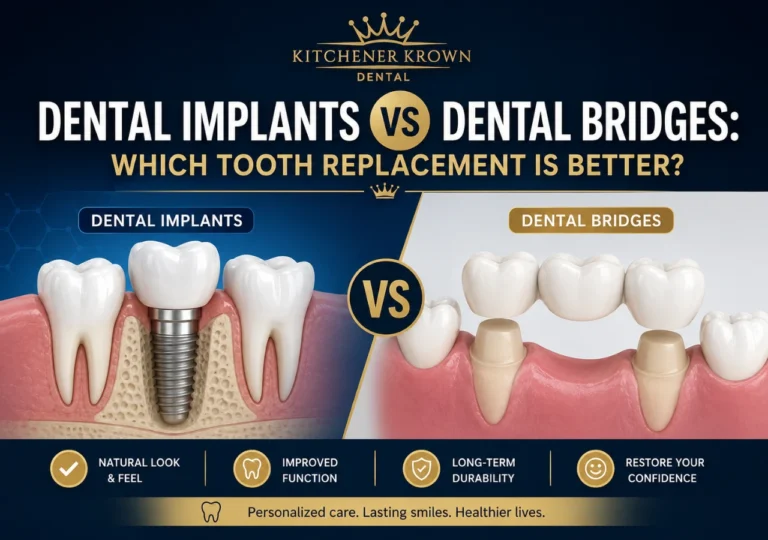
Root canal treatment preserves your natural tooth, which helps maintain your normal bite and reduces the need for a replacement like a bridge or implant later on. It’s often the preferred option when a tooth’s root structure is otherwise healthy enough to support the tooth long-term.
Tooth extraction may be recommended when a tooth is too damaged to save, when there isn’t enough healthy structure left to restore, or in specific situations like impacted or problematic wisdom teeth that aren’t good candidates for root canal treatment in the first place. After an extraction, patients sometimes consider a replacement option to maintain function and prevent shifting of nearby teeth.
Neither option is automatically “better” — the right choice depends on the tooth’s condition, its location, and your overall oral health goals, which is why this decision is best made together with your dentist after an exam. If you’re weighing whether a problematic tooth, such as a wisdom tooth, might need to come out rather than be treated, a dentist can review your wisdom tooth extraction options as part of that conversation.
What this means for you: There’s no need to walk into your appointment having already decided between a root canal and an extraction. A good family dental care provider will lay out both paths in plain language, including the trade-offs of each, so the decision is yours to make with full information.
What to Expect During a Root Canal Appointment
Understanding the general flow of a root canal appointment can make the actual visit feel less unfamiliar.
- Numbing the area. Local anesthetic is used so the tooth and surrounding gum tissue are numb before any work begins.
- Isolating the tooth. A small protective barrier is typically placed around the tooth to keep the area clean and dry during treatment.
- Accessing the pulp. A small opening is made in the tooth to reach the infected or inflamed tissue inside.
- Cleaning and shaping the canals. The dentist removes the damaged tissue and carefully cleans and shapes each canal.
- Sealing the tooth. The cleaned canals are filled with a biocompatible material to prevent bacteria from re-entering, and a temporary or permanent filling is placed.
- Planning for a crown, if needed. Back teeth in particular often need a crown afterward for added strength, which is placed at a separate follow-up visit once the tooth has had time to settle.
Most patients are able to drive themselves home and return to normal activities the same day, though numbness in the lips, cheek, and tongue may take a few hours to fully wear off.
Root Canal and Pain After Treatment: What’s Normal Recovery
Some mild soreness or sensitivity in the days following treatment is common and generally manageable with over-the-counter pain relief, as recommended by your dentist. Most people recover within about a week, with any lingering sensitivity gradually fading during that time.
In the days after your appointment, it can help to:
- Avoid chewing on the treated side until your dentist confirms the restoration is complete
- Stick to softer foods for the first day or two if the area feels tender
- Continue gentle brushing and flossing around the treated tooth
- Take any prescribed or recommended medication as directed
When to contact your dentist: If pain after a root canal is severe, worsens instead of improving, or lasts longer than about a week, or if you notice new swelling, this is a reason to call your dental office rather than wait it out — our emergency dentist team can see you if it can’t wait. These symptoms can sometimes indicate the infection hasn’t fully resolved or that the tooth needs further evaluation.
Who Should Seek Professional Advice
While this guide covers general timelines and patterns, only an in-person dental examination can tell you what your specific situation requires. You should speak with a dentist if:
- You have tooth pain that persists for more than a day or two
- You notice swelling, a gum bump, or discoloration on a tooth
- You’ve had a previous root canal and are experiencing new pain in that tooth
- You’re unsure whether a damaged tooth is a candidate for root canal treatment or extraction
- You have ongoing sensitivity that hasn’t been evaluated
A dental professional can assess the tooth with an exam and digital X-rays and walk you through what treatment, if any, is appropriate for your specific case.
Practical Guidance for Your Appointment
A little preparation can make your root canal appointment go more smoothly:
- Eat a normal meal beforehand if your dentist doesn’t advise otherwise, since your mouth will be numb afterward and chewing may be uncomfortable for a few hours.
- Ask about your specific timeline. Because treatment time varies by tooth and case complexity, your dentist can give you a more personalized estimate once they’ve reviewed your X-rays.
- Plan for a follow-up if a crown is needed. Ask what the full timeline looks like, from the root canal itself to the final restoration.
- Bring a list of questions. It’s reasonable to ask what to expect, how many visits are likely, and what recovery should feel like for your particular tooth.
- Mention your insurance or coverage questions in advance so the office can help you understand what’s involved before treatment begins. Practices that offer direct insurance billing, and those registered with the Canadian Dental Care Plan (CDCP), can often sort out coverage details before your appointment rather than after.
- Plan your logistics if you’re coming from out of the way. If your dental office is inside a shopping centre, like Frederick Mall, check whether free parking or transit access is available so appointment-day logistics are one less thing to think about.
Trusted Oral Health Resources
Root canal treatment is a well-established, widely performed procedure. If you’d like to read further from recognized healthcare authorities, the American Dental Association (ADA) and the Canadian Dental Association (CDA) both publish patient-facing guidance on endodontic treatment, and Health Canada offers broader guidance on maintaining healthy teeth and gums throughout any dental treatment.
Frequently Asked Questions
How long does a root canal take on average?
Most root canal appointments take between 30 and 90 minutes, depending on the tooth. Front teeth tend to be quicker, while molars with multiple canals often take longer and may require a second visit.Does a root canal hurt more than a tooth extraction?
Both procedures are performed with local anesthesia to keep you comfortable during treatment. Reported discomfort afterward varies by individual and by the complexity of the case, so it’s worth discussing what to expect for your specific tooth with your dentist.Can a root canal be done in one visit?
Many root canals are completed in a single appointment, particularly for front teeth or premolars with straightforward anatomy. More complex cases, significant infection, or molars with curved canals sometimes require a second visit.Is pain after a root canal normal?
Mild soreness or sensitivity for a few days is common as the area heals. Pain that is severe, worsening, or lasting beyond about a week should be reported to your dentist.How do I know if I need a root canal or an extraction?
This depends on how much healthy tooth structure remains and the specific tooth involved. A dental exam and X-rays are the only reliable way to determine which option fits your situation.Will I need a crown after my root canal?
Many treated teeth, especially molars, benefit from a dental crown for added strength and protection, since removing the pulp can leave a tooth more prone to fracture. Your dentist will let you know if a crown is recommended for your case.Is root canal treatment covered by insurance or the Canadian Dental Care Plan (CDCP)?
Coverage varies by plan and provider. Many dental offices offer direct insurance billing, and CDCP-registered practices can help eligible patients understand what’s covered under that program. It’s worth asking your dental office to review your specific coverage before treatment begins.Conclusion
Root canal treatment generally takes between 30 and 90 minutes per appointment, with the exact time shaped by the tooth involved, the complexity of its canals, and the extent of any infection. Knowing what to expect, from appointment length to typical recovery, can take some of the uncertainty out of the process. If you’re dealing with tooth pain or have been told you may need a root canal, a dental consultation can help you understand your specific situation and the options available to you, including whether a root canal or another approach, such as extraction, is the right fit.
If you’re looking for a root canal in Kitchener and aren’t sure what to expect, a straightforward, zero-pressure conversation with a dentist is the best next step. Our family dental office, located inside Frederick Mall with free parking and transit access nearby, welcomes children, adults, seniors, and families, and offers direct insurance billing along with CDCP registration to help make care more accessible. Browse our full range of dental services or contact us to explain your symptoms in plain language and leave with a clear sense of your options, on your own timeline.
This article is for general educational purposes and is not a substitute for professional dental advice. A dental professional can assess your specific symptoms and recommend appropriate treatment.