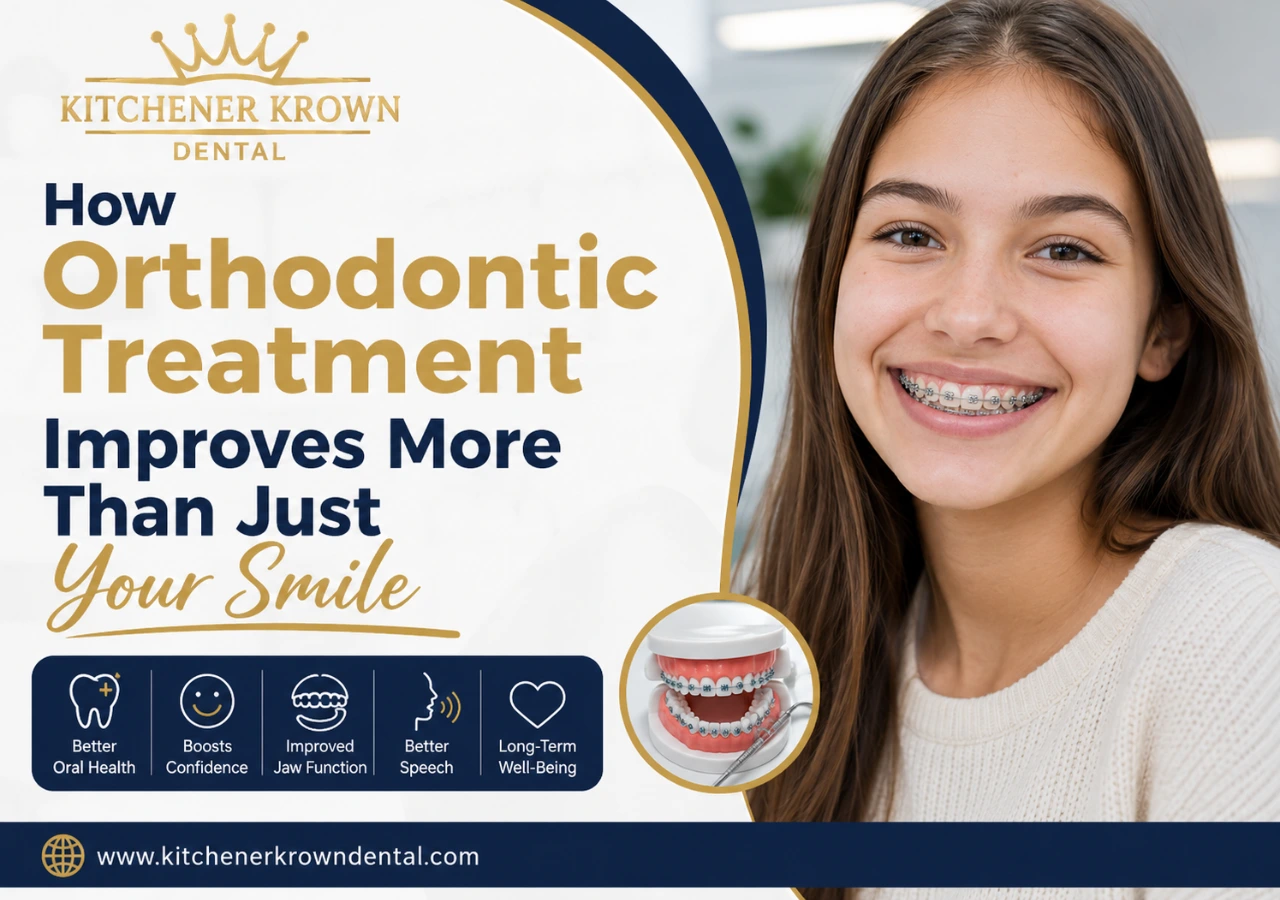
When most people hear the word orthodontics, they immediately think about straight teeth and a beautiful smile. While aesthetics are certainly one of the biggest benefits, orthodontic treatment goes far beyond cosmetic improvements. Properly aligned teeth and jaws contribute to better oral health, improved speech, easier chewing, healthier gums, increased confidence, and even better overall well-being.
Today, modern orthodontics offers solutions for children, teenagers, and adults who want healthier teeth without compromising their lifestyle. Thanks to advances in clear aligners, ceramic braces, and digital treatment planning, achieving a healthier smile has never been more comfortable or discreet.
If you’re wondering whether orthodontic treatment is worth the investment, this guide explains how it positively impacts nearly every aspect of your oral health and quality of life.
What Is Orthodontics?
Orthodontics is a specialized branch of dentistry focused on diagnosing, preventing, and correcting misaligned teeth and jaw irregularities.
Common orthodontic problems include:
-
- Crooked teeth
-
- Crowded teeth
-
- Gaps between teeth
-
- Overbite
-
- Underbite
-
- Crossbite
-
- Open bite
-
- Jaw alignment issues
Orthodontists use customized treatment plans that may include braces, clear aligners, retainers, or other appliances to gradually move teeth into healthier positions.
Why Straight Teeth Matter More Than Appearance
Many people postpone orthodontic treatment because they assume crooked teeth are only a cosmetic concern.
In reality, poor tooth alignment can affect:
-
- Oral hygiene
-
- Gum health
-
- Jaw joints
-
- Digestion
-
- Speech
-
- Self-confidence
-
- Tooth wear
-
- Long-term dental costs
Straight teeth are actually easier to maintain and help preserve your natural smile for decades.
1. Better Oral Hygiene
One of the greatest health benefits of orthodontics is easier cleaning.
Crowded or overlapping teeth create small spaces where plaque and bacteria accumulate.
When brushing and flossing become difficult, people face a higher risk of:
-
- Cavities
-
- Gum disease
-
- Bad breath
-
- Tartar buildup
-
- Tooth decay
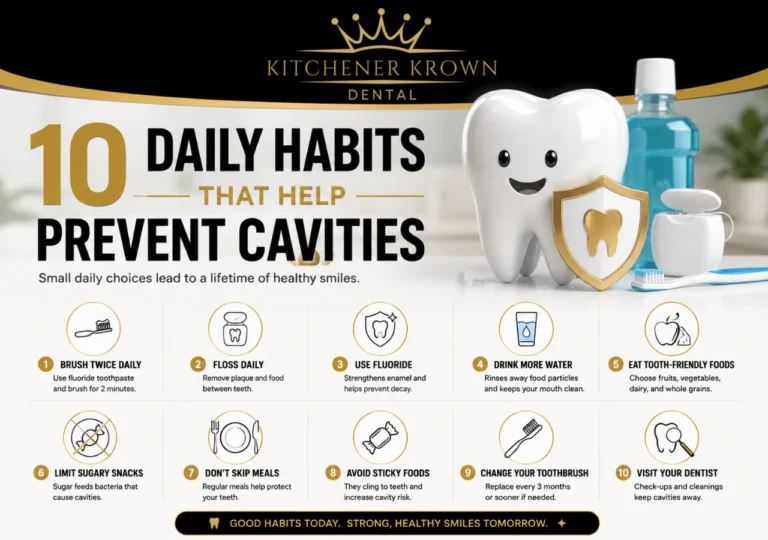
Properly aligned teeth allow toothbrush bristles and floss to reach every surface more effectively, reducing bacterial growth and improving long-term oral health. The American Dental Association (ADA) notes that consistent daily brushing and flossing habits are among the most effective ways to prevent plaque-related oral health problems.
2. Healthier Gums
Healthy gums require clean teeth.
When teeth overlap or rotate, plaque often builds below the gumline.
Over time this can lead to:
-
- Gingivitis
-
- Bleeding gums
-
- Swollen gums
-
- Gum recession
-
- Periodontal disease
Orthodontic treatment creates proper spacing that allows gums to fit securely around each tooth, reducing inflammation and lowering the risk of advanced gum disease.
3. Lower Risk of Tooth Decay
Crooked teeth naturally trap food particles.
Even patients with excellent brushing habits may struggle to clean certain areas.
Orthodontics helps reduce hidden plaque accumulation, lowering the likelihood of:
-
- Cavities
-
- Root decay
-
- Enamel damage
-
- Dental infections
Maintaining healthy teeth becomes significantly easier after alignment. Attending routine preventive care visits alongside orthodontic treatment helps catch early signs of decay before they progress.
4. Improved Bite Function
Many people don’t realize they have bite problems until discomfort develops.
Common bite issues include:
Overbite
Upper front teeth overlap excessively.
Underbite
Lower teeth extend beyond upper teeth.
Crossbite
Some upper teeth sit inside the lower teeth.
Open Bite
Front teeth don’t touch when biting.
These problems can affect:
-
- Chewing efficiency
-
- Tooth wear
-
- Jaw movement
-
- Facial symmetry
Orthodontic treatment helps restore balanced bite function.
5. Less Jaw Pain and TMJ Stress
Misaligned teeth often place unnecessary stress on the jaw joints.
Some people experience:
-
- Jaw pain
-
- Clicking sounds
-
- Headaches
-
- Neck discomfort
-
- Muscle fatigue
While orthodontics isn’t the solution for every TMJ disorder, correcting bite problems often reduces unnecessary strain on jaw muscles and joints.
Many patients notice improved comfort after treatment.
6. Better Speech
Your teeth play an important role in speech production.
Poor tooth positioning may contribute to pronunciation difficulties involving sounds like:
-
- S
-
- Z
-
- T
-
- F
-
- TH
Correcting alignment can improve speech clarity and confidence, especially in younger patients whose speech is still developing.
7. Improved Chewing and Digestion
Digestion begins in the mouth.
Misaligned teeth may prevent food from being properly chewed before swallowing.
Incomplete chewing can make digestion less efficient.
A properly aligned bite allows food to be broken down more effectively, making eating more comfortable and supporting better digestive health.
8. Prevents Excessive Tooth Wear
Uneven bites place excessive pressure on certain teeth.
Over time this can cause:
-
- Flattened teeth
-
- Chipped enamel
-
- Cracks
-
- Tooth sensitivity
-
- Fractures
Orthodontic treatment distributes biting forces evenly across the entire mouth, helping preserve natural teeth.
9. Protects Teeth From Injury
Protruding front teeth are more vulnerable during:
-
- Sports
-
- Falls
-
- Car accidents
-
- Everyday impacts
Research consistently shows that children with significantly protruding front teeth have a greater risk of dental trauma.
Correcting alignment helps protect teeth from future injuries. If an injury does occur, our emergency dentist services are available to provide prompt care.
10. Boosts Self-Confidence
Perhaps the most noticeable benefit is increased confidence.
Many people hide their smile because they feel embarrassed about:
-
- Crooked teeth
-
- Large gaps
-
- Bite problems
-
- Crowding
After orthodontic treatment, patients often report feeling more comfortable:
-
- Smiling in photos
-
- Speaking publicly
-
- Attending interviews
-
- Socializing
-
- Meeting new people
Confidence can positively influence both personal and professional relationships. Patients who want to enhance their results further often pair orthodontic care with our cosmetic dentistry treatments for a complete smile transformation.
Orthodontics Can Improve Mental Well-Being
A healthy smile affects how people perceive themselves.
Studies have found improvements in:
-
- Self-esteem
-
- Social confidence
-
- Emotional well-being
-
- Quality of life
Feeling confident about your smile often encourages better oral hygiene habits and regular dental visits. Health Canada highlights that good oral health is closely connected to overall physical and emotional wellness.
Modern Orthodontic Treatment Options
Today’s orthodontics offers more choices than ever before.
Traditional Metal Braces
Reliable and highly effective for correcting complex orthodontic issues.
Best for:
-
- Severe crowding
-
- Bite correction
-
- Complex cases
Ceramic Braces
Ceramic braces function like metal braces but blend more naturally with tooth color.
Benefits include:
-
- Less noticeable appearance
-
- Excellent effectiveness
-
- Suitable for adults and teens
Clear Aligners
Clear aligners have become increasingly popular.
Advantages include:
-
- Nearly invisible
-
- Removable
-
- Comfortable
-
- Easier brushing and flossing
-
- No dietary restrictions
They work well for many mild to moderate orthodontic cases. Learn more about our Invisalign treatment in Kitchener if you’re considering a discreet, removable option.
Retainers
Retainers help maintain results after orthodontic treatment.
Without retainers, teeth naturally tend to shift over time.
Consistent retainer wear protects your investment.
Who Can Benefit From Orthodontics?
Orthodontic treatment isn’t only for teenagers.
Adults of all ages are choosing treatment to improve both oral health and appearance.
Ideal candidates include:
-
- Children with developing bite issues
-
- Teenagers with crowded teeth
-
- Adults seeking healthier smiles
-
- Seniors wanting improved function
Age alone is rarely a barrier.
Signs You May Need Orthodontic Treatment
You may benefit from orthodontics if you notice:
-
- Crooked teeth
-
- Difficulty flossing
-
- Crowded teeth
-
- Jaw pain
-
- Frequent biting of cheeks
-
- Speech concerns
-
- Teeth grinding
-
- Uneven tooth wear
-
- Difficulty chewing
-
- Large gaps
A professional evaluation can determine the best treatment approach.
How Long Does Orthodontic Treatment Take?
Treatment varies depending on the complexity of each case.
Average timelines include:
| Treatment Type | Average Duration |
|---|---|
| Minor alignment | 6–12 months |
| Moderate correction | 12–18 months |
| Comprehensive braces | 18–24 months |
| Complex bite correction | 24–30 months |
Following your orthodontist’s instructions helps achieve the best results on schedule.
Life After Orthodontic Treatment
Completing treatment is only the beginning.
Maintaining your new smile involves:
-
- Wearing retainers
-
- Brushing twice daily
-
- Daily flossing
-
- Professional dental cleanings
-
- Routine examinations
-
- Avoiding habits like nail biting or chewing ice
Proper maintenance keeps your smile healthy for years. Booking regular teeth cleaning visits after orthodontic treatment helps protect your results for the long term.
Why Early Orthodontic Evaluations Matter
The American Association of Orthodontists recommends children receive an orthodontic evaluation around age seven.
Early assessments allow professionals to monitor:
-
- Jaw growth
-
- Tooth eruption
-
- Bite development
-
- Space management
Not every child requires immediate treatment, but early detection often simplifies future care.
Choosing the Right Orthodontic Provider
When selecting an orthodontic provider, look for:
-
- Comprehensive examinations
-
- Digital diagnostic technology
-
- Personalized treatment planning
-
- Experience with multiple treatment options
-
- Transparent communication
-
- Ongoing patient support
At Kitchener Krown Dental, patients receive individualized care focused on achieving healthy, functional, and confident smiles through modern orthodontic solutions tailored to their needs. The Canadian Dental Association (CDA) also recommends choosing a provider who explains treatment options clearly and supports informed decision-making.
Frequently Asked Questions
Does orthodontic treatment hurt?
Most patients experience mild soreness for a few days after adjustments or changing aligners. The discomfort is temporary and usually manageable.Is orthodontic treatment only for teenagers?
No. Adults are one of the fastest-growing groups seeking orthodontic treatment. Healthy teeth can be moved at almost any age.Can orthodontics improve oral health?
Yes. Properly aligned teeth are easier to clean, reducing the risk of cavities, gum disease, plaque buildup, and uneven tooth wear.How often will I need appointments?
Most patients visit every 6–10 weeks, depending on the treatment plan.Are clear aligners as effective as braces?
For many mild to moderate cases, clear aligners can achieve results similar to braces. More complex cases may still require traditional braces.Will I need to wear a retainer?
Yes. Retainers help prevent teeth from shifting back after treatment and are an essential part of maintaining long-term results.Final Thoughts
Orthodontics is about much more than creating a straighter smile. Proper alignment supports healthier gums, cleaner teeth, improved bite function, clearer speech, better chewing, and enhanced confidence. By addressing the underlying causes of misalignment, orthodontic treatment can reduce future dental problems and contribute to long-term oral wellness.
Whether you’re considering braces for your child or exploring clear aligners as an adult, investing in orthodontic care is an investment in your overall health. A personalized evaluation can help determine the most effective treatment based on your needs and goals. At Kitchener Krown Dental, patients receive modern, patient-focused orthodontic solutions designed to create healthy, functional smiles that last for years. Ready to get started? Book a consultation with our Kitchener dentist team today.