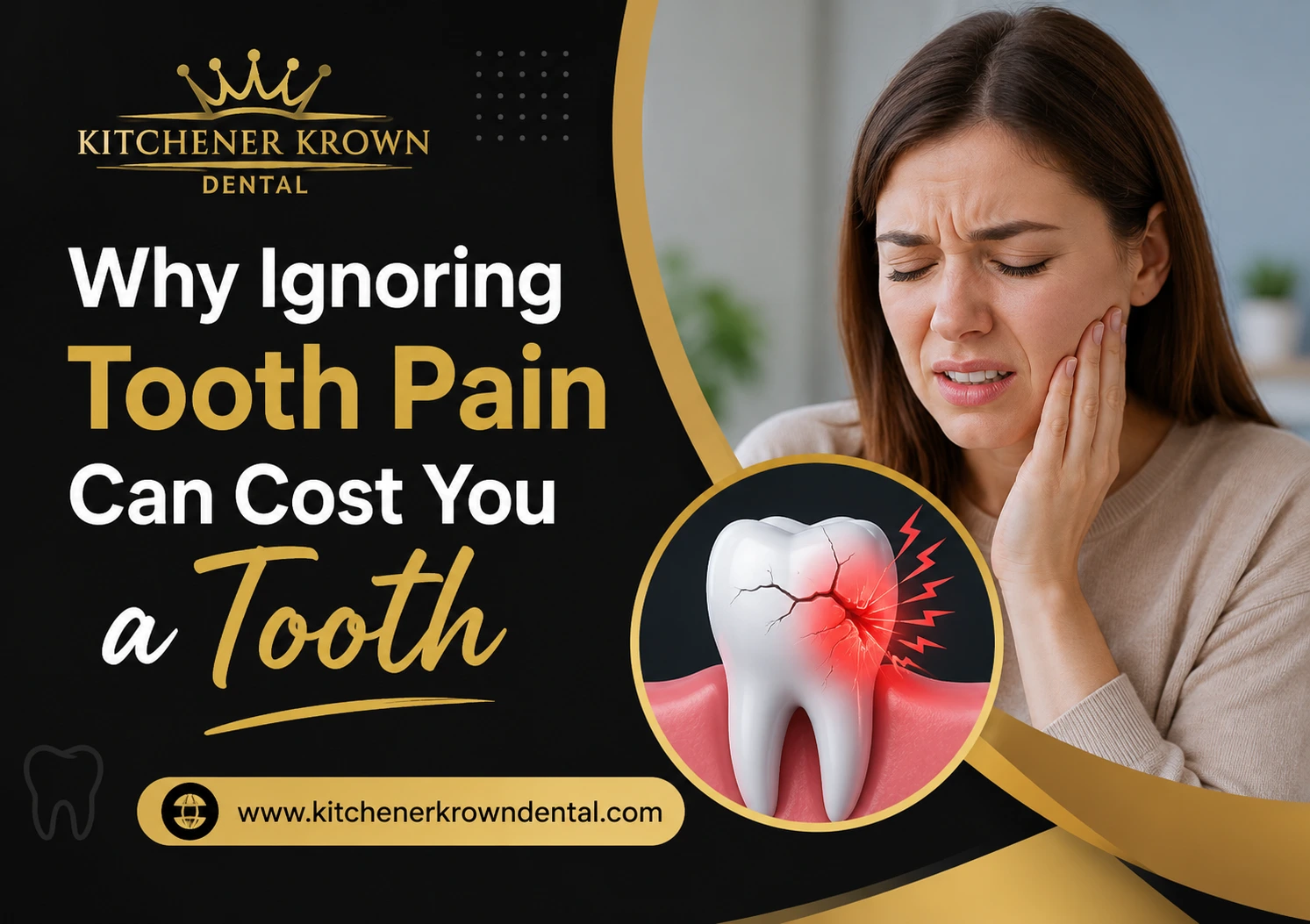
Most people have experienced a toothache at some point. Sometimes the pain disappears after a few hours, making it tempting to assume the problem has resolved itself. Unfortunately, tooth pain rarely goes away without a reason. In many cases, the pain fades because the nerve inside the tooth has become severely damaged—not because the tooth has healed.
Ignoring dental pain can turn a simple cavity into a serious infection, increase treatment costs, and even lead to permanent tooth loss. What begins as mild discomfort may quickly become a dental emergency requiring immediate care.
Understanding what tooth pain means, recognizing the warning signs, and knowing when to visit an emergency dentist can help you protect your oral health and avoid more invasive procedures.
Quick Answers About Tooth Pain
Question
Short Answer
Why does tooth pain sometimes stop on its own?
The nerve inside the tooth may have died from infection, not because the tooth has healed.
Can an infected tooth heal without treatment?
No. Once bacteria reach the inside of the tooth, professional treatment is necessary.
Is every toothache a dental emergency?
No, but severe pain, swelling, trauma, or infection should be evaluated as soon as possible.
What happens if I delay treatment?
Small cavities can progress to infection, bone loss, and higher treatment costs.
Can a tooth infection spread?
Yes, in rare but serious cases it can spread to surrounding tissue and the bloodstream.
Tooth Pain Is Your Body’s Warning System
Pain is one of the body’s natural defense mechanisms. It signals that something isn’t right.
When a tooth hurts, it often indicates that bacteria, inflammation, trauma, or infection is affecting the tooth, surrounding gums, or supporting bone.
Many people try to manage symptoms with:
Pain relievers
Cold compresses
Saltwater rinses
Clove oil
Avoiding chewing on one side
While these methods may temporarily reduce discomfort, they do not eliminate the underlying cause.
The sooner a dentist identifies the problem, the better the chances of saving the tooth.
Common Causes of Tooth Pain
Tooth pain can have many causes, ranging from minor sensitivity to severe infection.
Tooth Decay
Cavities develop when bacteria break down tooth enamel. Without treatment, decay progresses deeper into the tooth, eventually reaching the pulp where nerves and blood vessels are located.
Common symptoms include:
Sensitivity to sweets
Pain when biting
Persistent toothache
Visible holes
Food getting trapped
Dental Infection (Abscess)
An untreated cavity can develop into an abscess.
An abscess is a pocket of infection filled with bacteria and pus. This condition requires immediate treatment because it can spread beyond the tooth.
Symptoms include:
Severe throbbing pain
Swollen gums
Facial swelling
Bad taste in the mouth
Fever
Difficulty chewing
An abscess should never be ignored.
Cracked or Broken Teeth
Small cracks may not always be visible.
They often occur after:
Biting hard foods
Sports injuries
Teeth grinding
Accidents
Pain usually appears while chewing or when exposed to hot and cold temperatures.
Without treatment, bacteria can enter the crack and infect the tooth.
Gum Disease
Inflamed gums can also cause discomfort.
As gum disease progresses, it damages the tissues and bone supporting your teeth.
Symptoms include:
Bleeding gums
Loose teeth
Swollen gums
Persistent bad breath
Pain while chewing
Worn Dental Fillings or Crowns
Old restorations eventually wear out.
Once they become loose or damaged, bacteria can enter beneath them and create new decay.
Why Tooth Pain Sometimes Suddenly Stops
Many patients believe they are healing when their tooth stops hurting.
Unfortunately, the opposite may be true.
As infection reaches the tooth’s nerve, the nerve may eventually die. Since the nerve no longer functions, pain disappears temporarily.
Meanwhile, the infection continues spreading inside the tooth and into the surrounding bone.
Eventually, patients often experience:
Swelling
Facial pain
Gum boils
Fever
Severe infection
At this stage, treatment becomes more complex.
What Happens When You Delay Treatment?
Ignoring tooth pain often allows a manageable problem to become much more serious.
Small Cavities Become Large Cavities
Early decay may only require a simple filling.
After several months, the same tooth might require:
Once bacteria enter the pulp chamber, they travel through the root canals into the surrounding bone.
This infection destroys healthy tissues and weakens the tooth’s support.
Bone Loss Begins
Untreated infections can gradually destroy the jawbone around the affected tooth.
Bone loss makes future treatments like dental implants more complicated.
Increased Treatment Costs
Early dental care is almost always more affordable.
For example:
Early cavity:
Waiting often increases both treatment time and expenses.
When Tooth Pain Becomes a Dental Emergency
Not every toothache requires same-day treatment, but certain symptoms should never be ignored.
Seek immediate care if you experience:
Severe or worsening tooth pain
Facial swelling
Bleeding that won’t stop
Broken or knocked-out tooth
Swollen gums with pus
Difficulty swallowing
Fever with dental pain
Trauma to the mouth
Loose adult tooth
Pain after dental surgery that continues worsening
These symptoms may indicate a serious infection requiring urgent attention from an emergency dentist.
Can an Infected Tooth Heal on Its Own?
No.
Once bacteria reach the inside of the tooth, professional treatment becomes necessary.
Possible treatments include:
Dental Filling
Used when decay is still limited to the outer layers.
Root Canal Therapy
If the pulp becomes infected, the dentist removes the infected tissue, disinfects the canals, and seals the tooth.
This treatment often saves the natural tooth.
Dental Crown
After extensive damage or root canal therapy, a crown restores strength and function.
Tooth Extraction
When the tooth cannot be saved, extraction prevents infection from spreading.
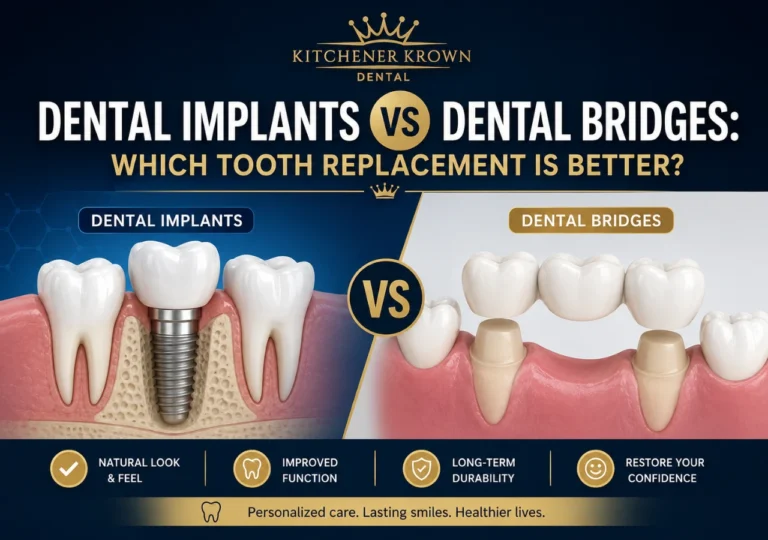
Replacement options may include:
Saving the natural tooth is usually the preferred option whenever possible.
Signs You Should Never Ignore
Certain symptoms suggest immediate evaluation is necessary.
Watch for:
Sharp Pain When Biting
Often indicates:
Cracked tooth
Infection
Deep cavity
Lingering Sensitivity
Pain lasting longer than 30 seconds after drinking something hot or cold may indicate nerve damage.
Swollen Face
Facial swelling often signals infection spreading beyond the tooth.
Gum Pimple
A small bump on the gum may actually be draining an abscess.
Even if it isn’t painful, treatment is still required.
Persistent Bad Breath
Chronic bad breath may result from bacterial infection beneath the gums or inside a damaged tooth.
How Dentists Diagnose Tooth Pain
Finding the source of pain isn’t always straightforward.
Dentists use several methods, including:
Digital X-rays
Clinical examination
Bite testing
Temperature testing
Percussion tests
Gum measurements
These evaluations, consistent with guidance from the Canadian Dental Association (CDA), help determine the exact cause and recommend the most effective treatment.
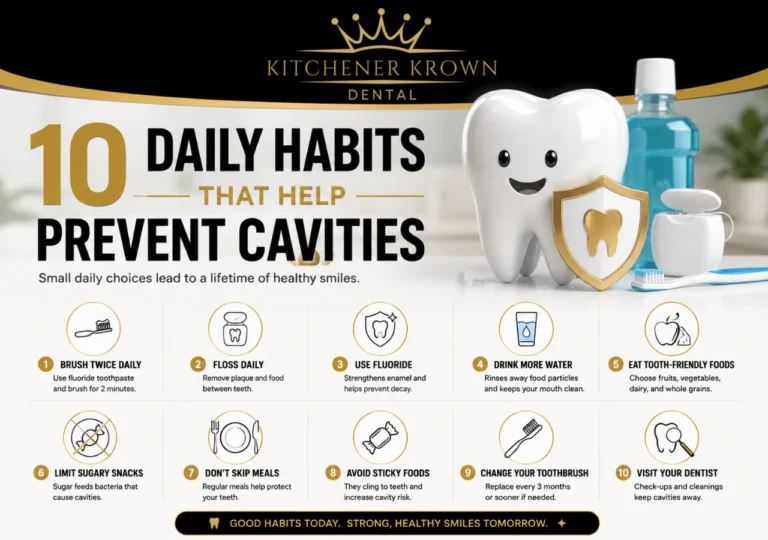
Preventing Tooth Pain Before It Starts
Many dental emergencies are preventable.
Healthy habits include:
Floss removes plaque between teeth where toothbrushes cannot reach.
Visit Your Dentist Regularly
Routine checkups identify small problems before they become emergencies. Our preventative care team can help you stay ahead of dental issues.
Wear a Night Guard
If you grind your teeth while sleeping, a custom night guard protects against cracks and wear.
Don’t Ignore Small Problems
Even mild discomfort deserves evaluation.
Early treatment usually saves time, money, and your natural tooth.
Why Saving Your Natural Tooth Matters
Your natural teeth provide the best chewing efficiency and preserve jawbone health.
Losing one tooth can affect:
Bite alignment
Speech
Chewing ability
Appearance
Bone density
Overall oral health
Modern dentistry offers excellent replacement options, and good general health habits, as highlighted by Health Canada, support your recovery, but preserving your original tooth whenever possible remains the best solution.
How an Emergency Dentist Can Help
Emergency dental care focuses on relieving pain while treating the underlying cause.
Depending on your condition, treatment may include:
Emergency examination
Digital imaging
Infection control
Root canal therapy
Temporary or permanent restoration
Tooth repair
Tooth extraction if necessary
Pain management recommendations
Prompt treatment often prevents complications and improves long-term outcomes.
Why Choose Professional Emergency Dental Care?
Waiting for pain to disappear can put your oral health at risk.
Professional dental care provides:
Accurate diagnosis
Safe treatment
Infection control
Long-term solutions
Preservation of natural teeth whenever possible
At Kitchener Krown Dental, patients receive prompt, compassionate care designed to relieve pain and address the root cause of dental emergencies before they become more serious.
Frequently Asked Questions
Is every toothache considered a dental emergency?No. Mild sensitivity may not require immediate treatment, but severe pain, swelling, trauma, or infection should be evaluated as soon as possible.
How long can I wait before seeing an emergency dentist?It’s best not to wait. Even if pain decreases, the underlying problem may continue to worsen. Early treatment often prevents more extensive procedures.
Can a tooth infection spread to other parts of the body?Yes. In rare but serious cases, untreated dental infections can spread to surrounding tissues and even enter the bloodstream, making prompt care essential.
What should I do while waiting for my appointment?Keep the area clean, rinse gently with warm saltwater, avoid chewing on the affected side, and use over-the-counter pain medication as directed. Avoid placing aspirin directly on the gums.
Can a root canal save my tooth?In many cases, yes. Root canal treatment removes infected tissue while preserving the natural tooth structure, helping you avoid extraction.
What if my tooth pain comes and goes?Intermittent pain can still indicate decay, a crack, or an infection. You should schedule a dental evaluation even if symptoms are not constant.
Final Thoughts
Tooth pain is more than an inconvenience—it’s your body’s way of signaling that something needs attention. Ignoring discomfort may allow decay, infection, or damage to progress until saving the tooth becomes much more difficult.
Whether the problem is a cavity, cracked tooth, gum infection, or dental abscess, seeking care from an emergency dentist at the first sign of trouble offers the best chance of preserving your natural smile. Early diagnosis not only relieves pain faster but also reduces the need for more complex and costly treatments. If you’re experiencing persistent tooth pain, don’t wait for it to worsen—book your appointment with our Kitchener dentist team today.